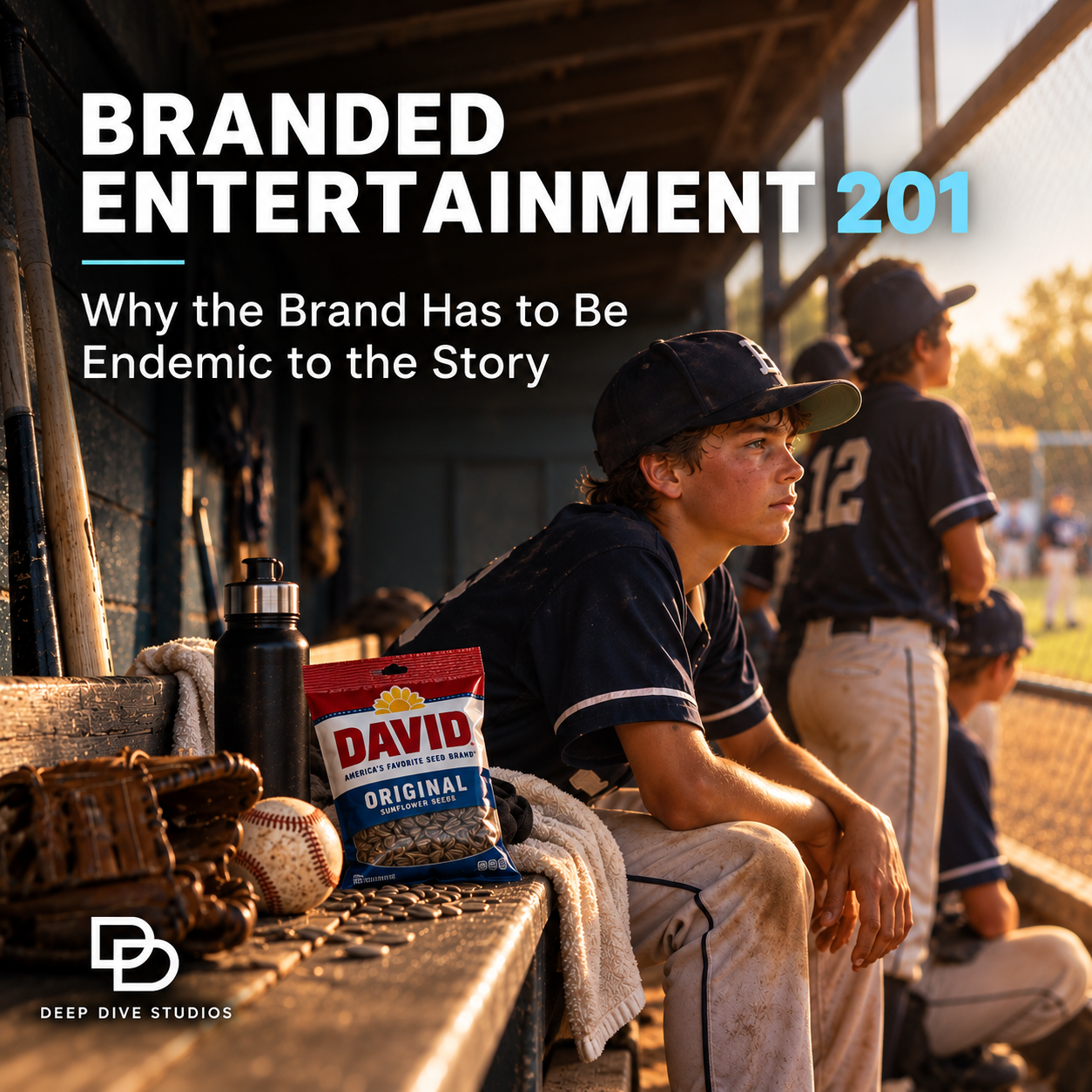
Branded Entertainment 201: Why the Brand Has to Be Endemic to the Story
Not every sponsored film qualifies as branded entertainment. Deep Dive on the difference between a brand attached to a story and a brand a story couldn't exist without.
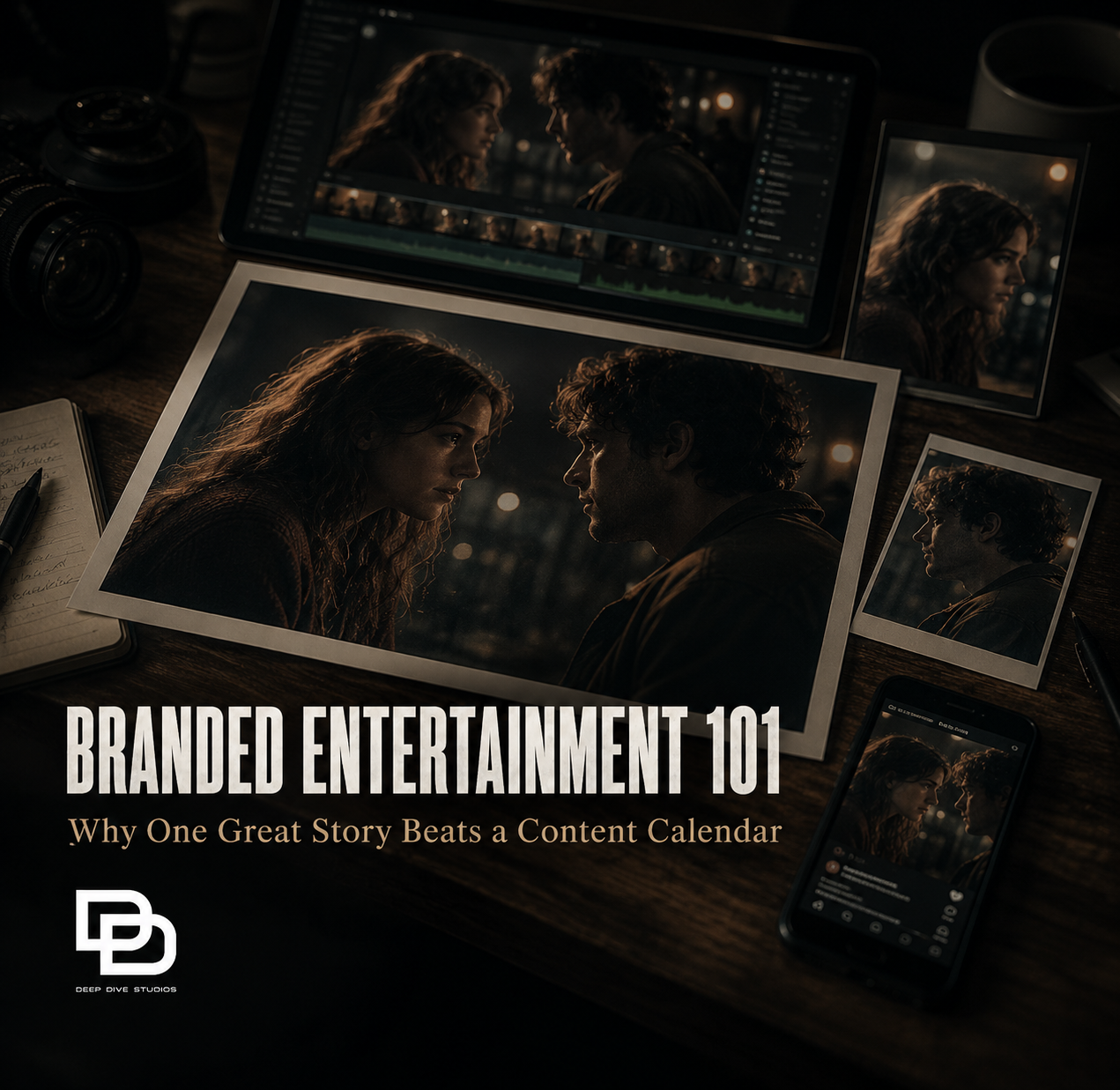
Branded Entertainment 101: Why One Great Story Beats a Content Calendar
Your brand doesn’t need more content. It needs one good story.
Build one strong piece of narrative entertainment first, then let that story become the engine for everything else—long-form, episodic, social, paid and organic. One production. One story. Months of material.
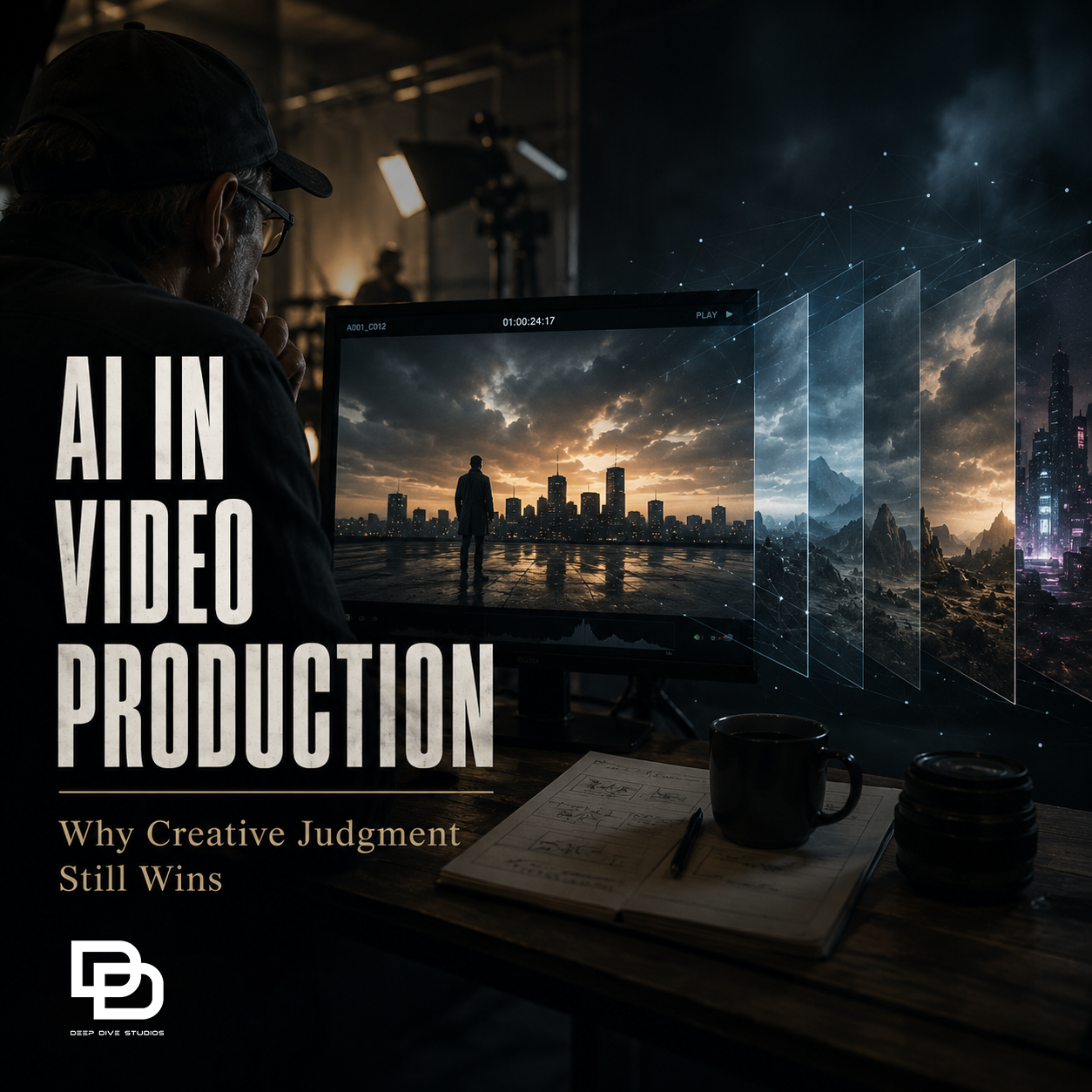
AI in Video Production: Why Creative Judgment Still Wins
The Best Tools Eventually Disappear
Filmmaking has always absorbed new technology this way. Smaller cameras, faster stocks, digital cinematography, VFX, drones, virtual production, audiences stopped noticing all of it once it became normal. They just watched the story. AI will follow the same arc, and some of its best uses in production will probably be the ones nobody ever clocks. No one leaves a screening praising the correct ratio of practical work, VFX, and generative tools. They just say it was great. That's still the bar.
Deep Dives 2
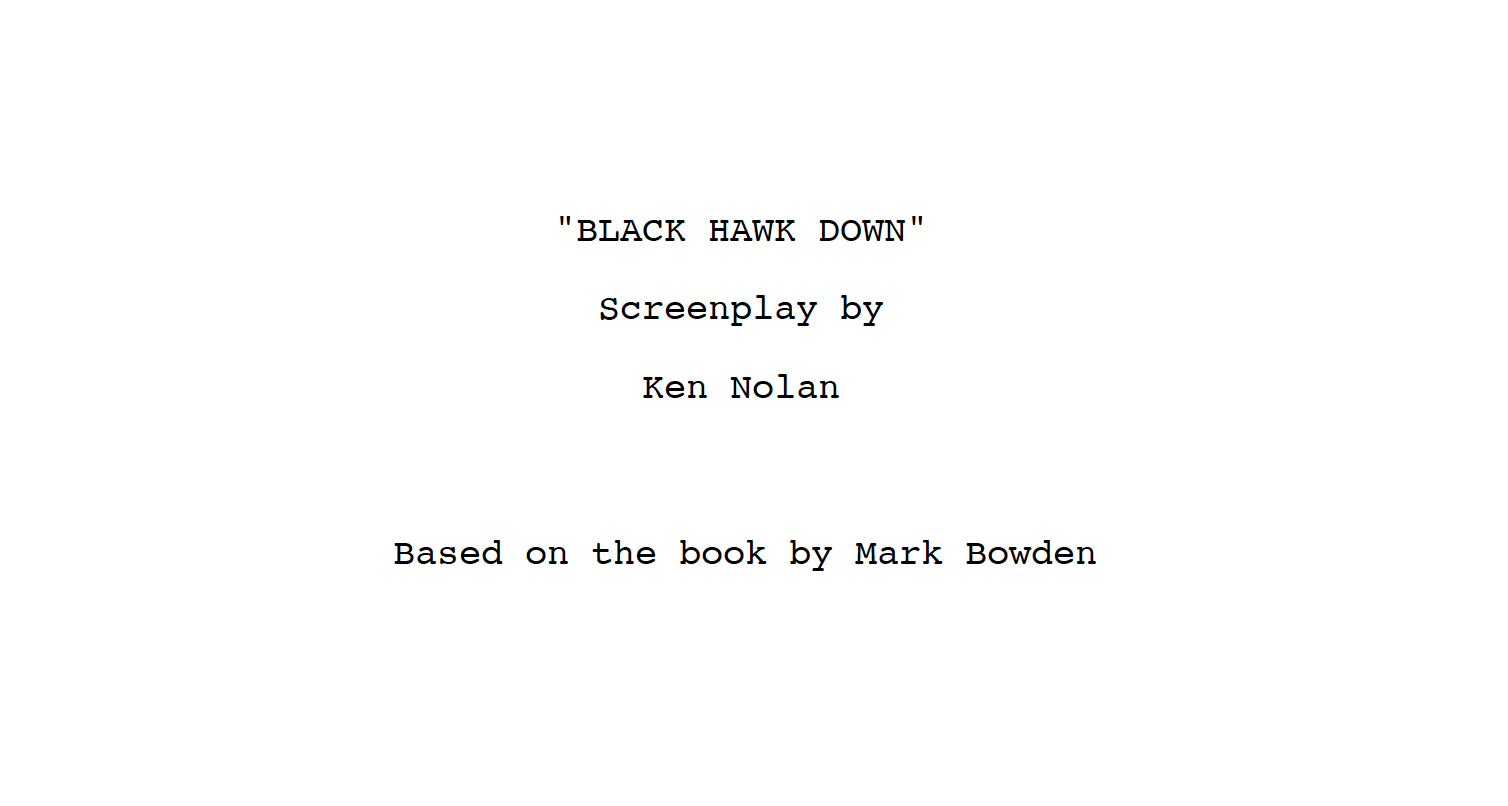
Writing a screenplay based on a true story rarely follows a clean or predictable path. What begins as research—interviews, articles, firsthand accounts—must ultimately be shaped into something cinematic without losing the essence of what actually happened. The challenge isn’t accuracy alone, but translation: turning real events into lived experience on the page.
Deep Dives 1
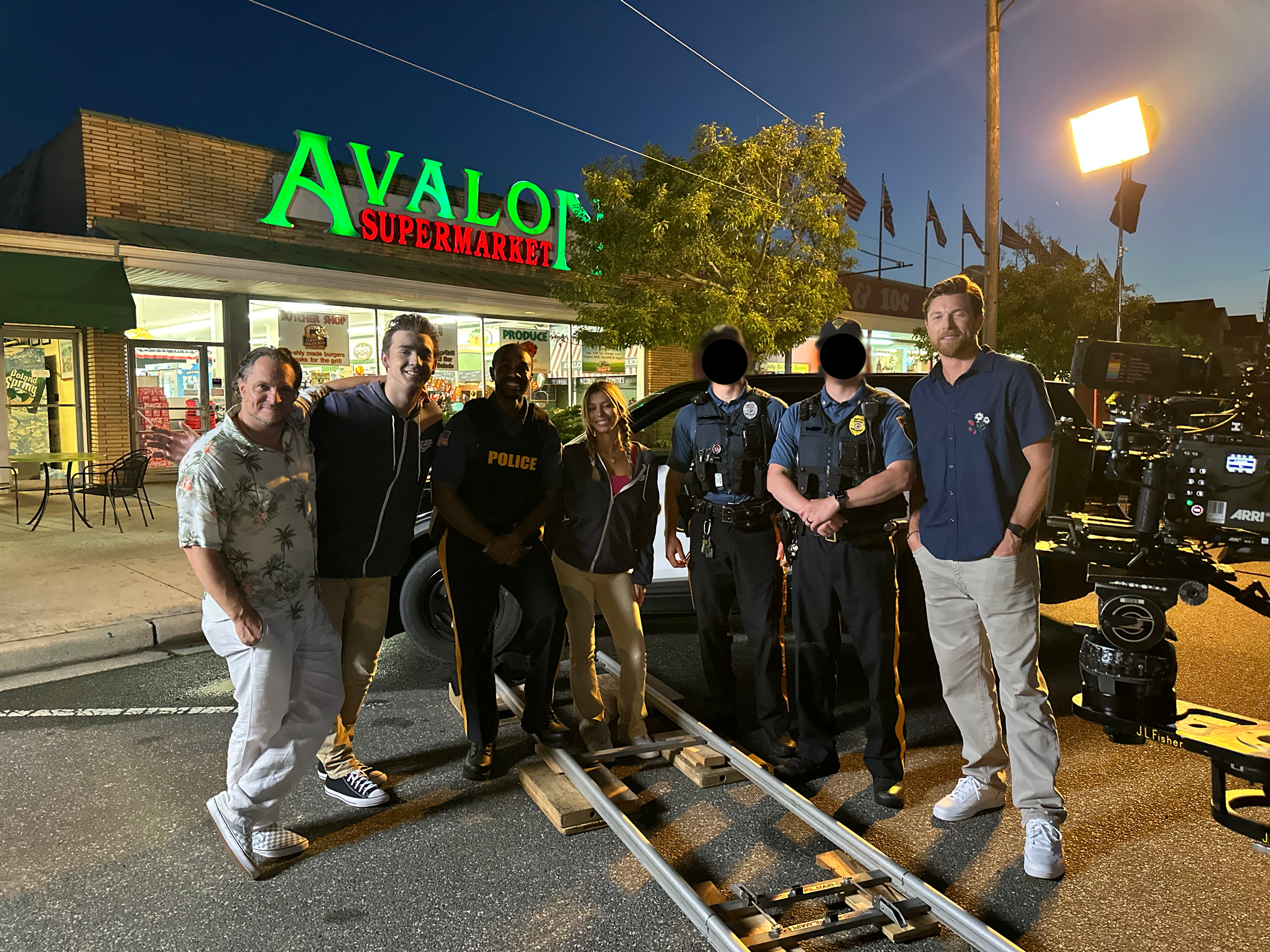
Filmmaking rarely goes according to plan, and The Cereal Aisle Effect is proof that the unexpected can sometimes be the most important ingredient. What began as an Ultra Low Budget SAG production scheduled to shoot in Sarasota, Florida ultimately transformed—three weeks before cameras rolled—into a 10-night sprint inside a real grocery store in Avalon, New Jersey.